Glasses Manufacturing Technology – Evolution & Innovation 👓⚙️
Elsayed AhmedShareGlasses Manufacturing Technology – Evolution & Innovation 👓⚙️
Introduction
Glasses manufacturing technology has undergone a remarkable transformation over the centuries, evolving from simple magnifying lenses to sophisticated eyewear that combines cutting-edge technology with fashion-forward design. This comprehensive article explores the evolution and innovation in glasses manufacturing, covering frame materials, lens technology, design innovations, customization options, and emerging trends. Whether you're interested in the craftsmanship behind luxury eyewear or the latest smart glasses technology, this guide provides insights into how modern glasses are made and what the future holds for this essential accessory.
I. Historical Evolution of Glasses Manufacturing
From Ancient Origins to Modern Innovation
The history of glasses manufacturing dates back to the 13th century when Italian craftsmen created the first wearable eyeglasses. These early spectacles featured simple convex lenses set in bone, metal, or leather frames. The invention revolutionized reading and detailed work, making knowledge more accessible to scholars and artisans. According to Smithsonian Magazine, the development of eyeglasses was one of the most important inventions of the Middle Ages.
The Industrial Revolution and Mass Production
The 19th century brought significant advancements in glasses manufacturing technology. The Industrial Revolution introduced mechanized production methods, making eyewear more affordable and accessible. Factories began producing standardized frames and lenses, replacing the handcrafted approach of earlier centuries. This democratization of eyewear transformed glasses from a luxury item into an everyday necessity for millions of people worldwide.
Transition to Modern Manufacturing
The 20th century witnessed revolutionary changes in glasses manufacturing technology. Computer-aided design (CAD), precision machinery, and advanced materials transformed the industry. Modern manufacturing combines traditional craftsmanship with cutting-edge technology, allowing for unprecedented precision, customization, and quality control. Today's glasses manufacturing facilities use robotics, 3D printing, and digital surfacing to create eyewear that is both functional and fashionable.
II. Advanced Frame Materials and Construction
Traditional Frame Materials
Metal Frames: Stainless steel, aluminum, and nickel alloys have been staples in glasses manufacturing technology for decades. Metal frames offer durability, flexibility, and a sleek aesthetic. Modern metal frames are often hypoallergenic and corrosion-resistant, making them ideal for everyday wear.
Acetate Frames: Cellulose acetate, derived from plant-based materials, is a popular choice for fashion-forward eyewear. This material allows for vibrant colors, unique patterns, and comfortable wear. Acetate frames are lightweight, hypoallergenic, and can be easily adjusted for a perfect fit.
Innovative Modern Materials
Titanium: Titanium has revolutionized glasses manufacturing technology with its exceptional strength-to-weight ratio. Titanium frames are incredibly lightweight, corrosion-resistant, and hypoallergenic, making them perfect for sensitive skin. Despite their delicate appearance, titanium frames are remarkably durable and can withstand daily wear.
Carbon Fiber: Originally developed for aerospace applications, carbon fiber brings high-tech performance to eyewear. Carbon fiber frames are extremely lightweight, strong, and resistant to temperature changes. This material is increasingly popular in sports and performance eyewear.
Wood and Natural Materials: Sustainable glasses manufacturing technology now incorporates wood, bamboo, and other natural materials. These eco-friendly frames offer unique aesthetics, lightweight comfort, and environmental benefits. Each wooden frame features distinctive grain patterns, making every pair one-of-a-kind.
Advanced Manufacturing Techniques
Injection Molding: This process allows for precise, consistent production of plastic frames. Molten plastic is injected into molds, creating frames with complex shapes and designs. Injection molding enables mass production while maintaining high quality standards.
3D Printing: Additive manufacturing has transformed glasses manufacturing technology by enabling rapid prototyping and customization. 3D printing allows designers to create complex geometries and personalized frames tailored to individual facial features. This technology is revolutionizing both luxury and affordable eyewear markets.
III. Lens Technology and Manufacturing
Evolution of Lens Materials
Glass Lenses: Traditional glass lenses offer superior optical clarity and scratch resistance. However, their weight and fragility have led to decreased popularity in modern glasses manufacturing technology.
Plastic Lenses (CR-39): Introduced in the 1940s, CR-39 plastic lenses are lightweight, impact-resistant, and affordable. They remain popular for everyday eyewear due to their excellent optical properties and cost-effectiveness.
Polycarbonate Lenses: Developed for aerospace applications, polycarbonate lenses are virtually unbreakable and provide built-in UV protection. They're ideal for children's eyewear, sports glasses, and safety applications.
High-Index Lenses: These advanced materials allow for thinner, lighter lenses even with strong prescriptions. High-index lenses represent a significant advancement in glasses manufacturing technology, improving both aesthetics and comfort for wearers with high prescriptions.
Lens Manufacturing Processes
Digital Surfacing: Computer-controlled machinery creates precise lens surfaces tailored to individual prescriptions. Digital surfacing technology enables freeform lens designs that optimize vision across the entire lens surface, not just the center.
Grinding and Polishing: Traditional lens manufacturing involves grinding raw lens blanks to the correct prescription, followed by polishing to achieve optical clarity. Modern automated systems ensure consistent quality and precision.
Edging: Once lenses are surfaced, they're cut to fit specific frame shapes. Advanced edging machines use digital frame tracers to ensure perfect fit and alignment.
Lens Coatings and Enhancements
Anti-Reflective Coatings: These coatings eliminate glare and reflections, improving visual clarity and reducing eye strain. Modern anti-reflective coatings also repel water, dust, and smudges.
UV Protection: Essential for eye health, UV-blocking coatings protect against harmful ultraviolet radiation. The American Academy of Ophthalmology recommends UV protection for all eyewear to prevent long-term eye damage.
Blue Light Filtering: With increased screen time, blue light filtering has become crucial in glasses manufacturing technology. These coatings reduce exposure to potentially harmful blue light from digital devices, helping to minimize eye strain and improve sleep quality.
Photochromic Lenses: These adaptive lenses darken in sunlight and clear indoors, providing convenient all-day protection. Advanced photochromic technology responds quickly to changing light conditions.
IV. Design Innovations and Customization
Frame Design Evolution
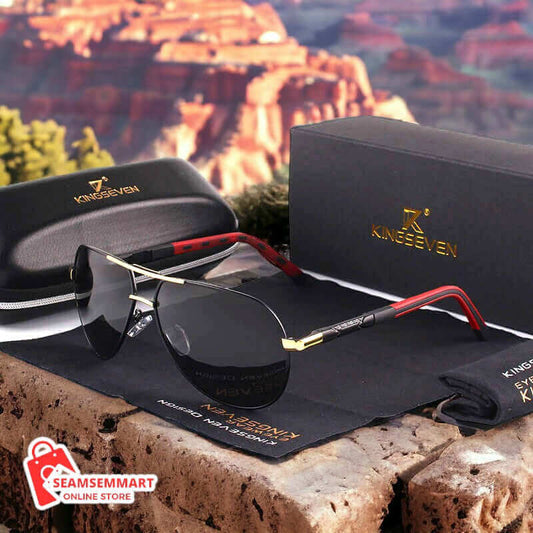
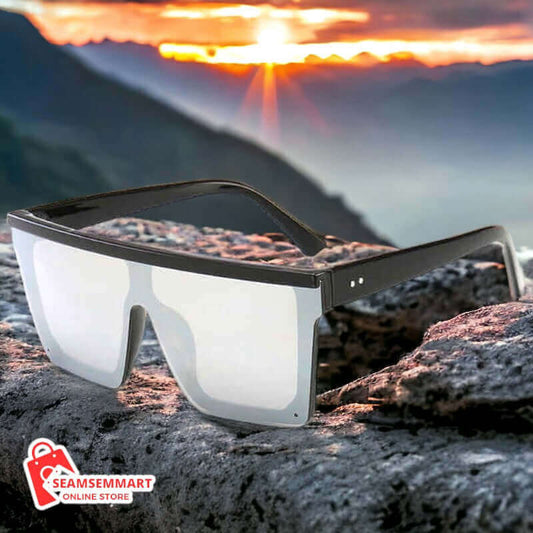
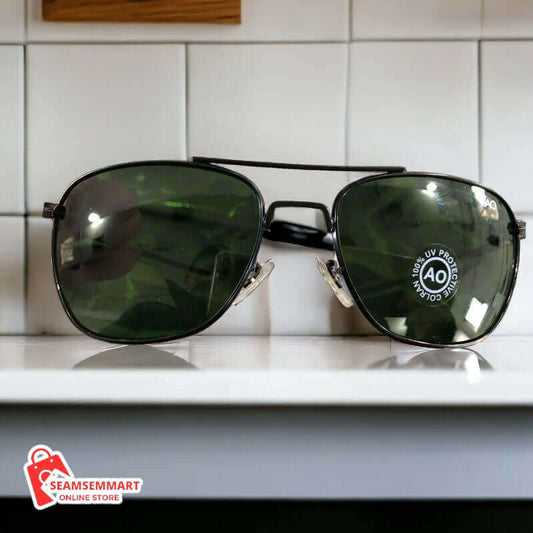
Modern glasses manufacturing technology has enabled unprecedented design freedom. From classic aviators and wayfarers to contemporary geometric shapes, frame designs cater to every style preference. Computer-aided design allows designers to create frames that balance aesthetics with ergonomics, ensuring both style and comfort. Fashion collaborations between eyewear manufacturers and luxury brands have elevated glasses from functional items to fashion statements.
Ergonomics and Fit Technology
Advanced glasses manufacturing technology now incorporates facial scanning and 3D modeling to create perfectly fitted frames. Adjustable nose pads, flexible temples, and spring hinges ensure comfortable all-day wear. Some manufacturers offer custom-fitted frames based on precise facial measurements, eliminating common fit issues like slipping or pressure points.
Customization Options
Today's consumers can personalize their eyewear like never before. Custom color combinations, engraved details, and interchangeable components allow for unique expression. Some brands offer modular systems where temples, frames, and lenses can be mixed and matched. This level of customization represents a significant advancement in glasses manufacturing technology, making eyewear truly personal.
V. Emerging Trends and Future Technology
Smart Glasses and Wearable Technology
Smart glasses represent the cutting edge of glasses manufacturing technology. These devices integrate displays, cameras, sensors, and connectivity into eyewear frames. From augmented reality displays to fitness tracking and hands-free communication, smart glasses are transforming eyewear into multifunctional devices. Major tech companies are investing heavily in this technology, promising exciting developments in the coming years.
Sustainable Manufacturing Practices
Environmental consciousness is reshaping glasses manufacturing technology. Companies are adopting eco-friendly materials like recycled plastics, bio-based acetates, and sustainably sourced wood. Manufacturing processes are becoming more energy-efficient, with reduced waste and carbon emissions. Some brands offer recycling programs for old glasses, closing the loop on eyewear lifecycle. Learn more about sustainable practices from The Vision Council.
Lightweight and Minimalist Designs
Advances in glasses manufacturing technology have enabled ultra-lightweight frames that are barely noticeable when worn. Rimless and semi-rimless designs, combined with advanced materials like titanium and carbon fiber, create eyewear that weighs just a few grams. These minimalist designs appeal to consumers seeking comfort without compromising style or durability.
VI. Quality Control and Manufacturing Standards
Precision and Consistency
Modern glasses manufacturing technology employs rigorous quality control measures to ensure every pair meets exacting standards. Automated inspection systems check frame dimensions, lens prescriptions, and coating quality. Advanced metrology equipment verifies optical properties to within microns, ensuring perfect vision correction and comfort.
Industry Standards and Certifications
Eyewear manufacturers must comply with international standards for safety, optical quality, and durability. Organizations like ISO (International Organization for Standardization) and ANSI (American National Standards Institute) set benchmarks for glasses manufacturing technology. Certifications ensure that eyewear provides adequate UV protection, impact resistance, and optical clarity.
Ethical Manufacturing
Responsible glasses manufacturing technology extends beyond product quality to encompass ethical labor practices and social responsibility. Leading manufacturers ensure fair wages, safe working conditions, and community support in their production facilities. Transparency in supply chains and ethical sourcing of materials are becoming increasingly important to conscious consumers.
📚 Related Articles
Conclusion
Glasses manufacturing technology has evolved from simple handcrafted spectacles to sophisticated, high-tech eyewear that combines fashion, function, and innovation. Modern manufacturing processes leverage advanced materials, precision machinery, and digital technology to create glasses that are lighter, stronger, and more comfortable than ever before. As we look to the future, emerging technologies like smart glasses, sustainable materials, and personalized manufacturing promise to further revolutionize the eyewear industry. Whether you're seeking classic style, cutting-edge technology, or eco-friendly options, today's glasses manufacturing technology offers unprecedented choice and quality. The continuous innovation in this field ensures that eyewear will remain an essential accessory that enhances both vision and personal style for generations to come.